How inKind Is Supporting Restaurants and Shaping the Future of Denver’s Dining Industry
The restaurant industry is always evolving and cities like Denver, require good, accurate data and clear communication between stakeholders to ensure that everyone wins.
The result is the 2025 State of Denver Restaurants Report, a comprehensive look at the challenges facing restaurants today and the opportunities ahead.
👉 Read the full report: https://corestaurant.org/blog/2025-state-of-denver-restaurants-report/
Denver’s restaurant industry plays a critical role in the local economy, driving tourism, creating jobs, and shaping the city’s culture.
However, recent data highlights growing challenges:
- Restaurant employment remains below pre-2020 levels
- Labor costs have increased significantly
- Rent, food, and operational expenses continue to rise
- Profit margins are shrinking despite higher menu prices
For many restaurant owners, the reality is clear:
It's increasingly challenging to operate a profitable, sustainable business.

At inKind, supporting restaurants isn’t just part of the business, it’s our mission.
- Gathering insights directly from restaurant operators
- Identifying key operational and financial challenges
- Developing actionable strategies to support long-term growth
To provide restaurants with better access to capital, improved operational resources and insights and sustainable growth opportunities.
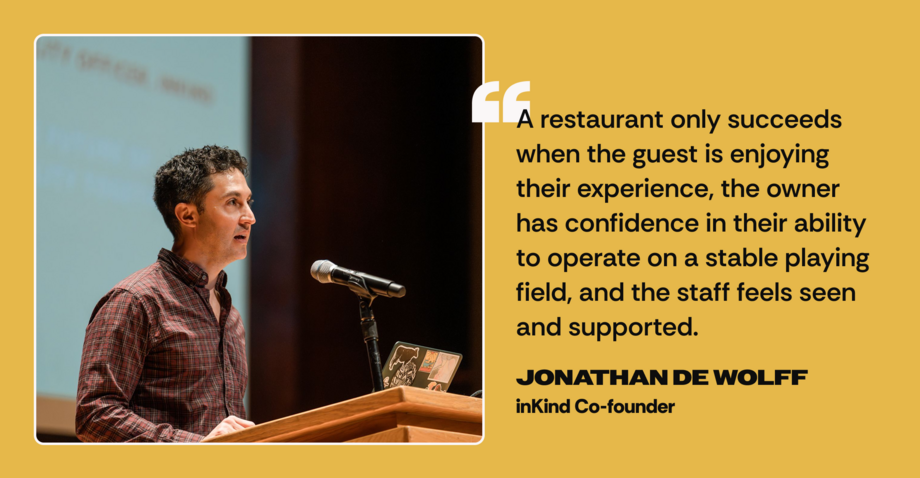
As inKind Co-founder Jonathan de Wolff explains:
“A restaurant only succeeds when the guest is enjoying their experience, the owner has confidence in their ability to operate on a stable playing field, and the staff feels seen and supported.”
1. Rising Labor and Operating Costs
Restaurants in Denver are experiencing sharp increases in:
- Wages
- Rent and occupancy costs
- Food and supply expenses
While menu prices have increased, they haven’t kept pace with rising costs, leading to tighter margins and reduced profitability.
2. Changing Consumer Behavior
Guests are becoming more price-sensitive.
As dining costs rise, restaurants are seeing:
- Lower traffic
- Reduced frequency of visits
- Increased pressure to deliver value
This creates a difficult balance between maintaining quality and staying competitive.
3. Permitting Delays and Operational Friction
Opening or expanding a restaurant in Denver can take months due to permitting delays.
These delays impact:
- Hiring timelines
- Revenue generation
- Overall business viability
Reducing these barriers is one of the fastest ways to support restaurant growth and job creation.
4. Unequal Impact on Independent Restaurants
Independent and minority-owned restaurants are often the most affected by:
- Cost increases
- Limited access to capital
- Operational inefficiencies
These businesses are essential to Denver’s identity, but face the greatest challenges in today’s environment.

inKind offers restaurant-by-design capital solutions created for restaurants, helping operators:
- Access funding without traditional debt structures
- Improve cash flow
- Invest in growth without increasing financial risk
Supporting Industry Collaboration
Through partnerships like the Denver initiative, inKind is helping:
- Connect restaurant operators with policymakers
- Facilitate industry-wide conversations
- Turn insights into actionable solutions
Advocating for Operational Efficiency
One of the most impactful opportunities identified in the report is improving operational efficiency at the city level.
Key areas include:
- Streamlining permitting processes
- Reducing administrative delays
- Improving coordination between agencies
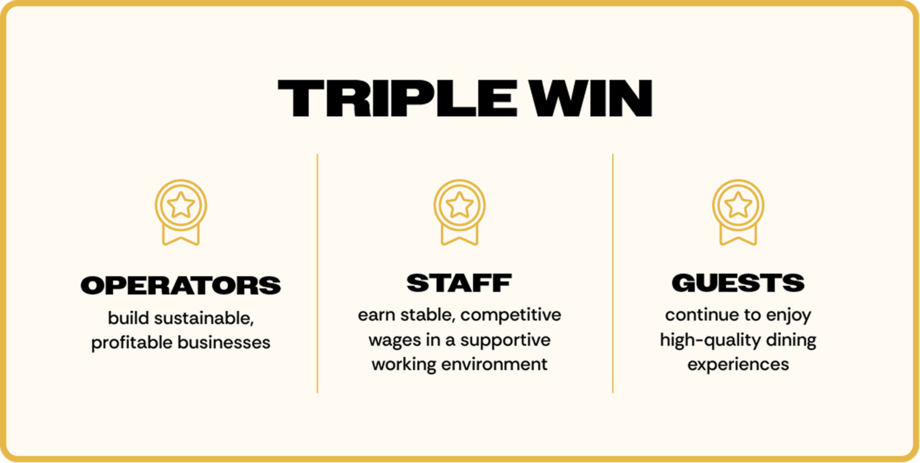
Create a restaurant industry where everyone benefits.
- Operators build sustainable, profitable businesses
- Staff earn stable, competitive wages in a supportive working environment
- Guests continue to enjoy high-quality dining experiences
This “triple win” isn’t theoretical, it’s achievable with the right systems, partnerships, and tools in place.
The work happening in Denver is an important step toward fixing those systems.
And at inKind, we’re proud to be partnering with different stakeholders to build a stronger, more sustainable future for restaurants.