CHEF SERIES
Meet the Chef Behind Amparo Fondita: Christian Irabién
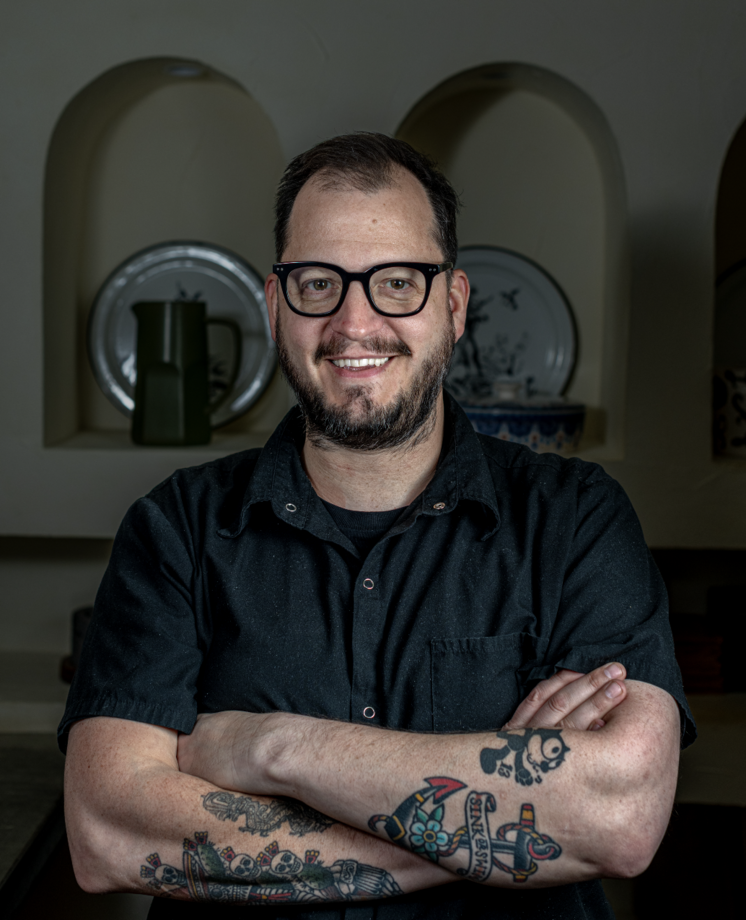
Chef Christian Irabién
Christian Irabién has always been a person who needs to make things. From a young age he gravitated toward fine arts and music, drawn to the act of working with his hands, experimenting, and finding new ways to express himself. Looking back, cooking was a natural progression — even if he didn't see it coming at the time.
He grew up in his grandparents' Mexican restaurant in El Paso, doing whatever needed to be done: washing dishes, peeling shrimp, bussing tables. Restaurants were simply part of everyday life. But it wasn't until he stepped into a professional kitchen that he began to grasp the depth of what he'd been surrounded by his whole life. The craft that had always felt familiar suddenly felt vast. There was something exciting and humbling about realizing just how much he didn't know.
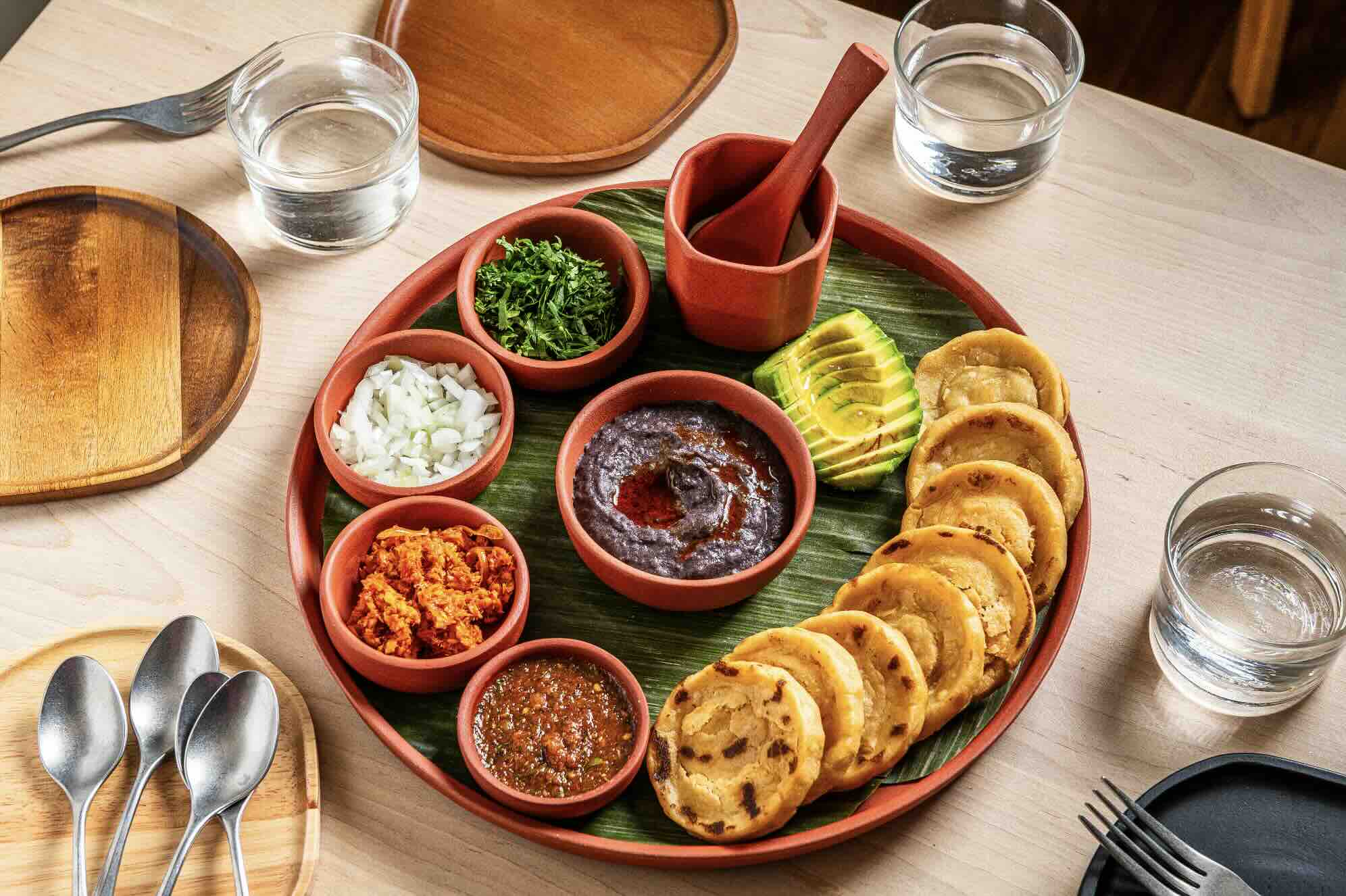
That humility became the foundation of everything that followed. At Amparo Fondita in Washington D.C., Christian has built a restaurant rooted in Mexican culinary tradition and driven by a commitment to the community around it. Sustainability isn't a talking point here — it's the operating principle behind sourcing, staffing, and every decision in between. The kitchen works closely with local farms and small producers, prioritizes seasonal ingredients, and minimizes waste through thoughtful purchasing. The same care extends to the team: investing in professional development, creating real opportunities for growth, and building a workplace where people feel valued.
"I believe independent restaurants have a responsibility to give back to the communities they depend on."
What has kept Amparo standing in a constantly shifting market isn't any single decision — it's the people. Christian credits a resilient team that has stayed committed through the hardest moments, a business partner who shares that commitment, and a broader community of DC chefs and restaurateurs who have been remarkably generous with their knowledge and support. Resilience, he has learned, isn't about having all the answers. It's about being willing to evolve, knowing when to ask for help, and surrounding yourself with people who believe the work is worth doing.
Independent restaurants don't survive in isolation. Amparo is proof of what's possible when a kitchen treats the people around it — farmers, producers, workers, neighbors — as partners rather than resources.
In this Chef Series interview, Christian talks about growing up in a family restaurant in El Paso, the principles that guide every decision at Amparo, and why community is at the center of everything he builds.
He grew up in his grandparents' Mexican restaurant in El Paso, doing whatever needed to be done: washing dishes, peeling shrimp, bussing tables. Restaurants were simply part of everyday life. But it wasn't until he stepped into a professional kitchen that he began to grasp the depth of what he'd been surrounded by his whole life. The craft that had always felt familiar suddenly felt vast. There was something exciting and humbling about realizing just how much he didn't know.
That humility became the foundation of everything that followed. At Amparo Fondita in Washington D.C., Christian has built a restaurant rooted in Mexican culinary tradition and driven by a commitment to the community around it. Sustainability isn't a talking point here — it's the operating principle behind sourcing, staffing, and every decision in between. The kitchen works closely with local farms and small producers, prioritizes seasonal ingredients, and minimizes waste through thoughtful purchasing. The same care extends to the team: investing in professional development, creating real opportunities for growth, and building a workplace where people feel valued.
"I believe independent restaurants have a responsibility to give back to the communities they depend on."
What has kept Amparo standing in a constantly shifting market isn't any single decision — it's the people. Christian credits a resilient team that has stayed committed through the hardest moments, a business partner who shares that commitment, and a broader community of DC chefs and restaurateurs who have been remarkably generous with their knowledge and support. Resilience, he has learned, isn't about having all the answers. It's about being willing to evolve, knowing when to ask for help, and surrounding yourself with people who believe the work is worth doing.
Independent restaurants don't survive in isolation. Amparo is proof of what's possible when a kitchen treats the people around it — farmers, producers, workers, neighbors — as partners rather than resources.
In this Chef Series interview, Christian talks about growing up in a family restaurant in El Paso, the principles that guide every decision at Amparo, and why community is at the center of everything he builds.
INKIND: What first drew you into the kitchen, and what continues to inspire you today?
ERIC: I was drawn to food before I really understood that I wanted to be a chef. I grew up in New York in a Ghanaian household, and food was such a big part of how we gathered, celebrated, and stayed connected to where my family came from. As I got older and became a chef, I realized food could also be a way of telling those stories. That's still what inspires me today. I love great technique and great ingredients, but I'm most interested in food that has something to say. At Elmina, a lot of that is about Ghana, West Africa, the diaspora, and Washington D.C. — and finding new ways to tell those stories through the restaurant.
INKIND: From sourcing ingredients to building your team, what principles guide your approach?
ERIC: Intentionality. I want there to be a reason behind what we do. With ingredients, it's not necessarily about finding the most expensive thing — it's finding the right ingredient and treating it with respect. I think the same thing applies to people. You want talented people, obviously, but you also want people who care, who are curious, who want to learn, and who understand what we're trying to build. Restaurants are incredibly collaborative. The guest might see my name, but there are a lot of people responsible for creating that experience every night. I rely on them, and so does the restaurant.
ERIC: I was drawn to food before I really understood that I wanted to be a chef. I grew up in New York in a Ghanaian household, and food was such a big part of how we gathered, celebrated, and stayed connected to where my family came from. As I got older and became a chef, I realized food could also be a way of telling those stories. That's still what inspires me today. I love great technique and great ingredients, but I'm most interested in food that has something to say. At Elmina, a lot of that is about Ghana, West Africa, the diaspora, and Washington D.C. — and finding new ways to tell those stories through the restaurant.
INKIND: From sourcing ingredients to building your team, what principles guide your approach?
ERIC: Intentionality. I want there to be a reason behind what we do. With ingredients, it's not necessarily about finding the most expensive thing — it's finding the right ingredient and treating it with respect. I think the same thing applies to people. You want talented people, obviously, but you also want people who care, who are curious, who want to learn, and who understand what we're trying to build. Restaurants are incredibly collaborative. The guest might see my name, but there are a lot of people responsible for creating that experience every night. I rely on them, and so does the restaurant.
NKIND: What first drew you into the kitchen, and what continues to inspire you today?
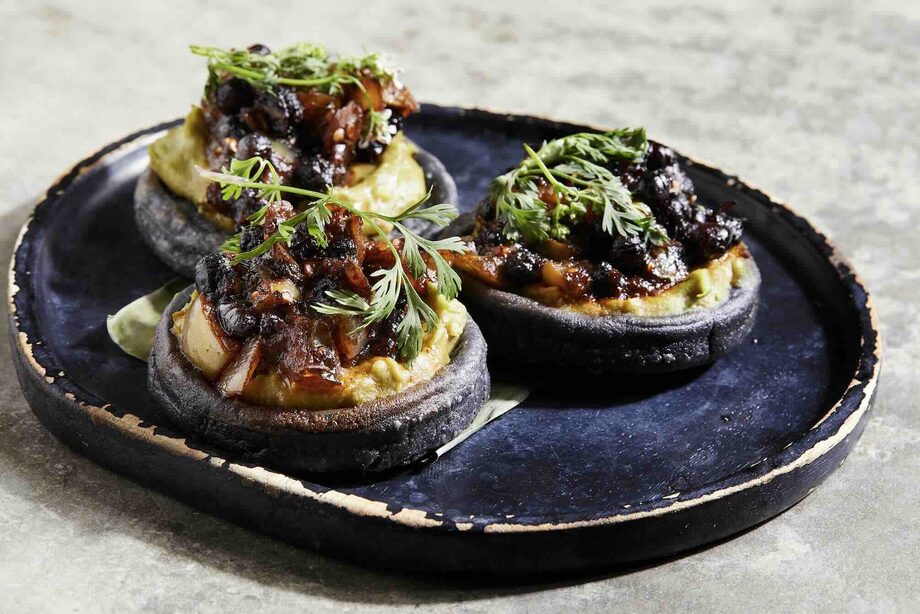
CHRISTIAN: I've always been a creative person. From a young age, I gravitated toward fine arts and music, and I've always had this need to work with my hands, to make things, experiment, and find different ways to express myself. Looking back, I think cooking was a pretty natural progression, even if I didn't realize it at the time.
I grew up in my grandparents' Mexican restaurant in El Paso, washing dishes, peeling shrimp, bussing tables, and doing just about anything else that needed to get done. Restaurants were simply part of everyday life, and while I was constantly surrounded by food and cooking, I didn't necessarily understand the depth of the craft or imagine myself pursuing it professionally. When I eventually found my way into a professional kitchen, I was immediately drawn to the challenge of learning something that felt so familiar and yet was almost entirely foreign to me. There was something incredibly exciting, and humbling, about realizing just how much I didn't know.
What continues to inspire me today is that same curiosity and the understanding that I'll never run out of things to learn.
Cooking sits at this incredible intersection of art, science, history, culture, and human connection. I'm endlessly fascinated by the ways food evolves, how traditions travel and transform, and how something as simple as a meal can tell the story of a place or a people. I love that it's a craft you can dedicate your entire life to and never truly master, and at the end of the day, there's something pretty remarkable about being able to create something with your hands that can make another person feel joy, comfort, nostalgia, or a sense of belonging.
INKIND: What has helped Amparo stand the test of time in a dynamic market?
CHRISTIAN: Without a doubt, the people around me. We've built an incredibly resilient team that, even through some of the most challenging moments, remains committed to pushing forward and believing success is on the other side. Running an independent restaurant in a constantly changing market takes tremendous adaptability, patience, and a willingness to make difficult decisions. None of that happens without people who genuinely care about what we're building together.
I'm also incredibly fortunate to have a supportive business partner who shares that commitment and helps me navigate the less glamorous realities of keeping a restaurant alive. Equally important is the community of chefs and restaurateurs here in DC. It's a remarkably generous industry — having peers I can call to ask questions, seek advice, compare strategies, or simply commiserate about the latest challenge has been invaluable.
I think one of the biggest lessons I've learned is that resilience isn't about having all the answers or getting everything right. It's about being willing to evolve, knowing when to ask for help, and surrounding yourself with people who believe the work is worth doing. Independent restaurants don't survive in isolation, and I'm constantly reminded of how much it truly takes a village.
CHRISTIAN: I've always been a creative person. From a young age, I gravitated toward fine arts and music, and I've always had this need to work with my hands, to make things, experiment, and find different ways to express myself. Looking back, I think cooking was a pretty natural progression, even if I didn't realize it at the time.
I grew up in my grandparents' Mexican restaurant in El Paso, washing dishes, peeling shrimp, bussing tables, and doing just about anything else that needed to get done. Restaurants were simply part of everyday life, and while I was constantly surrounded by food and cooking, I didn't necessarily understand the depth of the craft or imagine myself pursuing it professionally. When I eventually found my way into a professional kitchen, I was immediately drawn to the challenge of learning something that felt so familiar and yet was almost entirely foreign to me. There was something incredibly exciting, and humbling, about realizing just how much I didn't know.
What continues to inspire me today is that same curiosity and the understanding that I'll never run out of things to learn.
Cooking sits at this incredible intersection of art, science, history, culture, and human connection. I'm endlessly fascinated by the ways food evolves, how traditions travel and transform, and how something as simple as a meal can tell the story of a place or a people. I love that it's a craft you can dedicate your entire life to and never truly master, and at the end of the day, there's something pretty remarkable about being able to create something with your hands that can make another person feel joy, comfort, nostalgia, or a sense of belonging.
INKIND: What has helped Amparo stand the test of time in a dynamic market?
CHRISTIAN: Without a doubt, the people around me. We've built an incredibly resilient team that, even through some of the most challenging moments, remains committed to pushing forward and believing success is on the other side. Running an independent restaurant in a constantly changing market takes tremendous adaptability, patience, and a willingness to make difficult decisions. None of that happens without people who genuinely care about what we're building together.
I'm also incredibly fortunate to have a supportive business partner who shares that commitment and helps me navigate the less glamorous realities of keeping a restaurant alive. Equally important is the community of chefs and restaurateurs here in DC. It's a remarkably generous industry — having peers I can call to ask questions, seek advice, compare strategies, or simply commiserate about the latest challenge has been invaluable.
I think one of the biggest lessons I've learned is that resilience isn't about having all the answers or getting everything right. It's about being willing to evolve, knowing when to ask for help, and surrounding yourself with people who believe the work is worth doing. Independent restaurants don't survive in isolation, and I'm constantly reminded of how much it truly takes a village.
INKIND: From sourcing ingredients to building your team, what principles guide your approach?
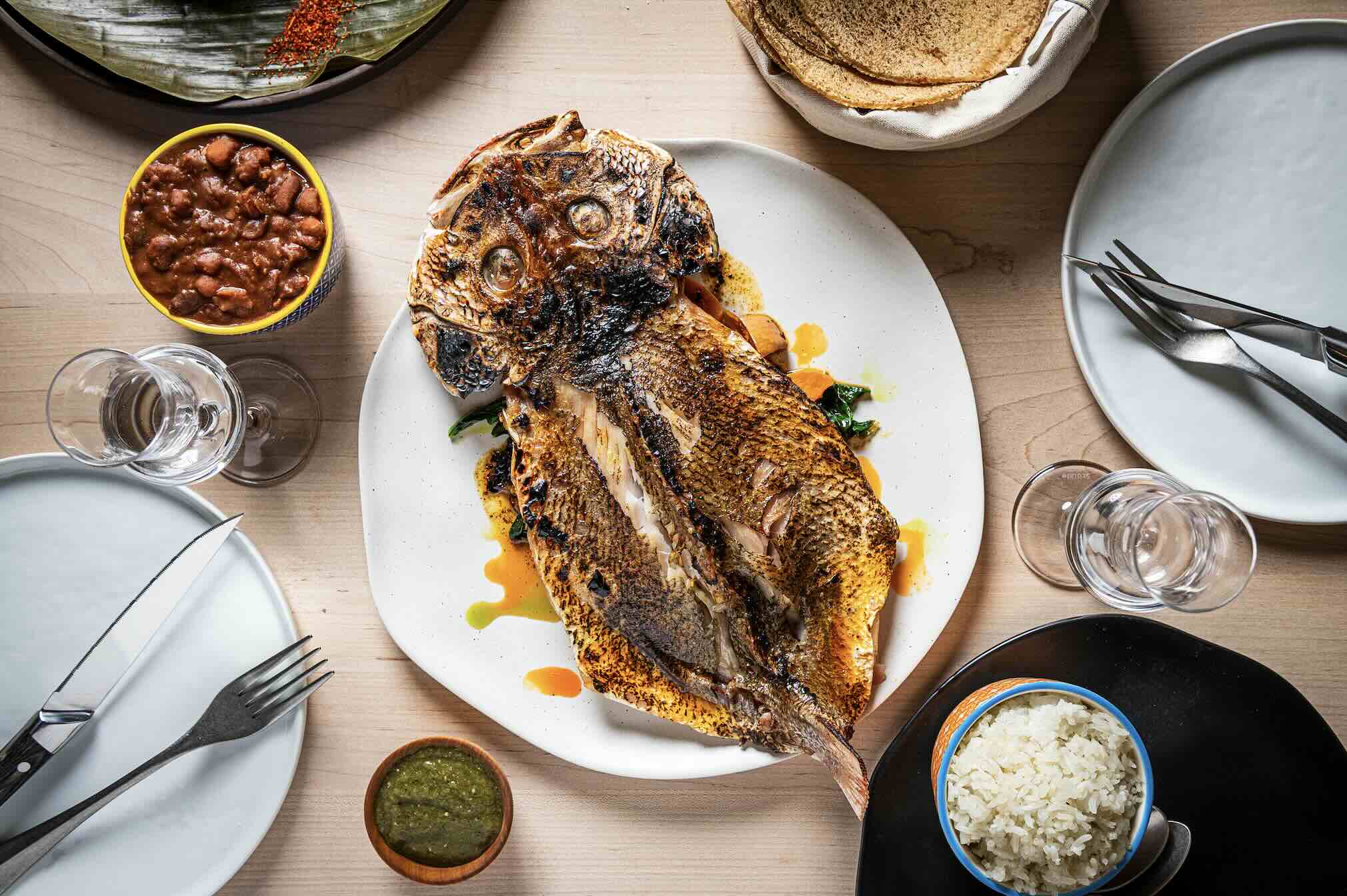
CHRISTIAN: Sustainability and community are at the heart of what we do. For me, sustainability goes beyond responsible sourcing. It's about building a restaurant that supports the people who work in it, the farmers and producers who supply it, and the community that sustains it.
In the kitchen, we prioritize relationships with local farms and small producers, seasonal ingredients, and minimizing waste through thoughtful purchasing and creative use of our resources. We apply those same principles to our team by investing in professional development, creating opportunities for growth, and fostering a workplace where people feel valued.
Ultimately, I believe independent restaurants have a responsibility to give back to the communities they depend on. Whether through supporting local businesses, advocating for immigrant workers, or collaborating with our neighbors, our success should contribute to the well-being of the people around us.
CHRISTIAN: Sustainability and community are at the heart of what we do. For me, sustainability goes beyond responsible sourcing. It's about building a restaurant that supports the people who work in it, the farmers and producers who supply it, and the community that sustains it.
In the kitchen, we prioritize relationships with local farms and small producers, seasonal ingredients, and minimizing waste through thoughtful purchasing and creative use of our resources. We apply those same principles to our team by investing in professional development, creating opportunities for growth, and fostering a workplace where people feel valued.
Ultimately, I believe independent restaurants have a responsibility to give back to the communities they depend on. Whether through supporting local businesses, advocating for immigrant workers, or collaborating with our neighbors, our success should contribute to the well-being of the people around us.
About inKind
inKind is the only dining rewards app that gives you up to 20% BACK every time you dine. Download the inKind app to explore and earn inKind Cash Back at Michelin-starred restaurants, cozy neighborhood coffee shops, and even the hottest nightclubs.
At inKind, we believe restaurants are the heartbeat of a city. That’s why we back them — and reward you for doing the same. Our unique model supports restaurants with funding,
marketing support, and more, so every time you dine with inKind, you’re helping restaurants thrive.
As a thank you for supporting the amazing restaurants in our network, we give you 20% back on your meal. No codes, no points, no catches.
At inKind, we believe restaurants are the heartbeat of a city. That’s why we back them — and reward you for doing the same. Our unique model supports restaurants with funding,
marketing support, and more, so every time you dine with inKind, you’re helping restaurants thrive.
As a thank you for supporting the amazing restaurants in our network, we give you 20% back on your meal. No codes, no points, no catches.