CHEF SERIES
Meet the Chef Behind the Omakase Experience at MINŌ Omakase & Sake Bar:
Chef JM Canlas
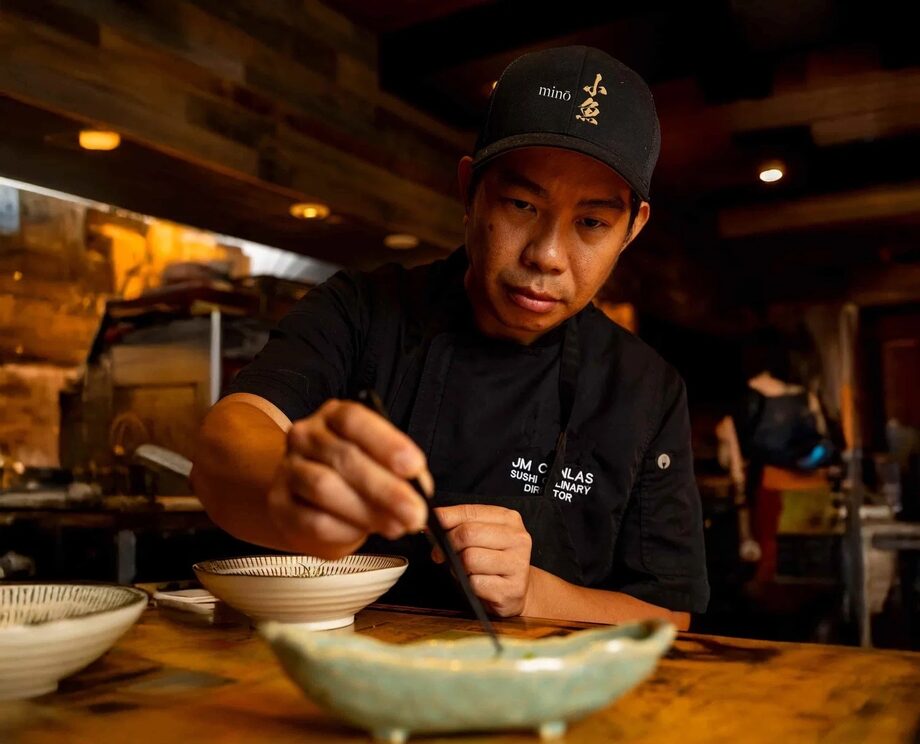
Chef JM Canlas
For Chef JM Canlas, the kitchen has always been where creativity and hospitality meet. The idea that simple ingredients, handled with care and intention, could become something a guest carries with them long after the meal is over. That conviction is what led him to MINŌ Omakase & Sake Bar in Boca Raton and it's what shapes every service he runs.
MINŌ is built around precision. An omakase isn’t just a simple menu, it's a progression. Light to rich, clean to umami-driven, each course earning its place in a sequence that's been thought through long before the first guest sits down. JM has spent his career building the discipline to execute that kind of experience consistently, and building a team that can do the same.
What makes his story particularly compelling is where he started. JM's background is in savory cuisine: sushi and omakase, where the technical demands of Japanese cooking are at a high level. Pastry was never the plan. But when it came time to complete the dining experience at MINŌ, he leaned into the discomfort. The dessert currently on the menu is the one he's most proud of, not because it came naturally, but because it didn't.
In this Chef Series interview, JM talks about how seasonality drives every menu decision, what it really takes to execute an omakase night after night, and why he'd rather build a small team that executes the same standard every time than chase raw talent.
MINŌ is built around precision. An omakase isn’t just a simple menu, it's a progression. Light to rich, clean to umami-driven, each course earning its place in a sequence that's been thought through long before the first guest sits down. JM has spent his career building the discipline to execute that kind of experience consistently, and building a team that can do the same.
What makes his story particularly compelling is where he started. JM's background is in savory cuisine: sushi and omakase, where the technical demands of Japanese cooking are at a high level. Pastry was never the plan. But when it came time to complete the dining experience at MINŌ, he leaned into the discomfort. The dessert currently on the menu is the one he's most proud of, not because it came naturally, but because it didn't.
In this Chef Series interview, JM talks about how seasonality drives every menu decision, what it really takes to execute an omakase night after night, and why he'd rather build a small team that executes the same standard every time than chase raw talent.
INKIND: What first drew you into the kitchen, and what continues to inspire you today?
JM: What first drew me in was the blend of creativity and hospitality. I loved how simple ingredients could be turned into something memorable, and how food could bring people together around a table. What continues to inspire me today is the pursuit of excellence and the ability to create experiences that guests remember long after the meal is over. Working with my team, both BOH and FOH, gives me satisfaction, and it's a great feeling.
INKIND: How do you approach building a menu?
JM: My approach begins with seasonality. I believe the best ingredients should guide the menu, so I start by sourcing products at their peak and building dishes around what nature is offering at that moment.
INKIND: What has helped MINŌ stand the test of time?
JM: Never becoming complacent. We focus on sourcing exceptional ingredients, maintaining high standards, and creating memorable experiences for every guest.
JM: What first drew me in was the blend of creativity and hospitality. I loved how simple ingredients could be turned into something memorable, and how food could bring people together around a table. What continues to inspire me today is the pursuit of excellence and the ability to create experiences that guests remember long after the meal is over. Working with my team, both BOH and FOH, gives me satisfaction, and it's a great feeling.
INKIND: How do you approach building a menu?
JM: My approach begins with seasonality. I believe the best ingredients should guide the menu, so I start by sourcing products at their peak and building dishes around what nature is offering at that moment.
INKIND: What has helped MINŌ stand the test of time?
JM: Never becoming complacent. We focus on sourcing exceptional ingredients, maintaining high standards, and creating memorable experiences for every guest.
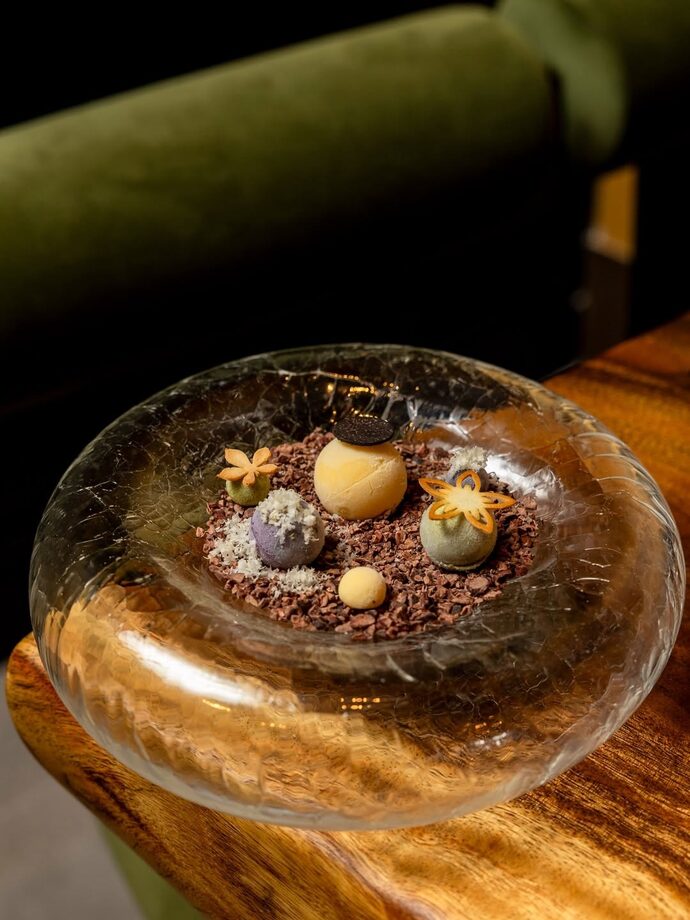
INKIND: What's one dish or course you're especially proud of right now?
JM: Honestly, the dessert I'm most proud of right now is the one that's currently on our menu — because pastry isn't my primary background. As an omakase and sushi chef, my focus has always been savory cuisine. Creating a dessert that complements the overall dining experience and genuinely resonates with our guests pushed me outside of my comfort zone.
INKIND: From sourcing ingredients to building your team, what principles guide your approach?
JM: My approach begins with sourcing, but it's really about consistency and purpose rather than prestige. I seek ingredients that perform well in the way we actually serve them — texture, balance, and how they hold up across the menu. From there, I build everything around seasonality and progression. I want the menu to feel like a journey — light to rich, clean to umami-driven — so each course has a purpose, not just a standout ingredient. When it comes to building a team, I value consistency and discipline over raw talent. I'd rather have a small group that executes the same standard every time.
JM: Honestly, the dessert I'm most proud of right now is the one that's currently on our menu — because pastry isn't my primary background. As an omakase and sushi chef, my focus has always been savory cuisine. Creating a dessert that complements the overall dining experience and genuinely resonates with our guests pushed me outside of my comfort zone.
INKIND: From sourcing ingredients to building your team, what principles guide your approach?
JM: My approach begins with sourcing, but it's really about consistency and purpose rather than prestige. I seek ingredients that perform well in the way we actually serve them — texture, balance, and how they hold up across the menu. From there, I build everything around seasonality and progression. I want the menu to feel like a journey — light to rich, clean to umami-driven — so each course has a purpose, not just a standout ingredient. When it comes to building a team, I value consistency and discipline over raw talent. I'd rather have a small group that executes the same standard every time.
INKIND: For a first-time guest, how would you guide them through the experience?
JM: I'd guide you through a progression that reflects our balance of seasonality, precision, and indulgence. It begins from lighter to richer — each course building on the last.
INKIND: What's something guests might not realize about what goes into an omakase service?
JM: There's an extreme amount of preparation and detail work that happens hours — sometimes days — before service. Then comes the cooking and handling, which is less about individual techniques and more about control. Searing, curing, resting, and slicing are all timed precisely so texture peaks at the exact moment it's eaten — not before, not after. The biggest layer, though, is timing and sequence. An omakase isn't just a collection of dishes — it's a planned progression.
INKIND: What one piece of advice would you share with a chef just starting out?
JM: Be true and stay committed to your concept.
INKIND: When you're not at MINŌ, what are you eating?
JM: I mostly cook Filipino food at home or go to my parents' house to get more Filipino food.
JM: I'd guide you through a progression that reflects our balance of seasonality, precision, and indulgence. It begins from lighter to richer — each course building on the last.
INKIND: What's something guests might not realize about what goes into an omakase service?
JM: There's an extreme amount of preparation and detail work that happens hours — sometimes days — before service. Then comes the cooking and handling, which is less about individual techniques and more about control. Searing, curing, resting, and slicing are all timed precisely so texture peaks at the exact moment it's eaten — not before, not after. The biggest layer, though, is timing and sequence. An omakase isn't just a collection of dishes — it's a planned progression.
INKIND: What one piece of advice would you share with a chef just starting out?
JM: Be true and stay committed to your concept.
INKIND: When you're not at MINŌ, what are you eating?
JM: I mostly cook Filipino food at home or go to my parents' house to get more Filipino food.
About inKind
inKind is the only dining rewards app that gives you up to 20% BACK every time you dine. Download the inKind app to explore and earn inKind Cash Back at Michelin-starred restaurants, cozy neighborhood coffee shops, and even the hottest nightclubs.
At inKind, we believe restaurants are the heartbeat of a city. That’s why we back them — and reward you for doing the same. Our unique model supports restaurants with funding,
marketing support, and more, so every time you dine with inKind, you’re helping restaurants thrive.
As a thank you for supporting the amazing restaurants in our network, we give you 20% back on your meal. No codes, no points, no catches.
At inKind, we believe restaurants are the heartbeat of a city. That’s why we back them — and reward you for doing the same. Our unique model supports restaurants with funding,
marketing support, and more, so every time you dine with inKind, you’re helping restaurants thrive.
As a thank you for supporting the amazing restaurants in our network, we give you 20% back on your meal. No codes, no points, no catches.